What traditional homes in Almería can teach us: The Siesta
Climate change is also changing the way we look at the place where we live. Summers are getting longer, periods of extreme heat more intense, and for many people coming from Northern Europe, temperatures in southern Spain can understandably be a concern.
Here in Almería, we don’t ignore these changes either. But living with the heat is nothing new to us. We love siesta.
For centuries, long before air conditioning existed, our homes and our way of life adapted to a region where sunshine and high temperatures have always been part of everyday life.
Homes designed for the climate
Anyone who steps inside an old cortijo or a traditional village house notices it immediately.
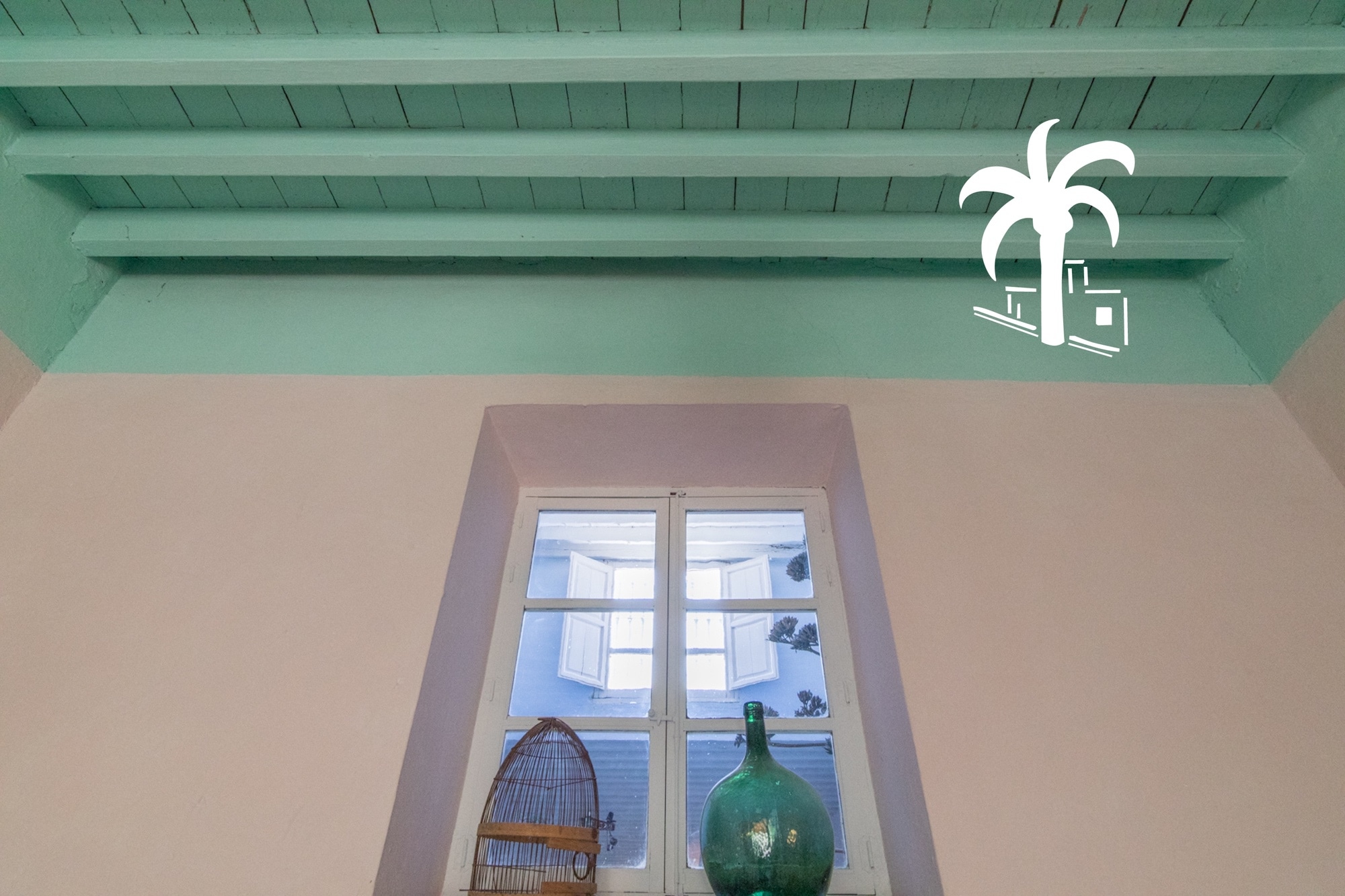
Thick walls of stone or earth help keep the interior cooler. Whitewashed façades reflect the sun. Relatively small windows, shutters and blinds protect the rooms during the hottest hours of the day.
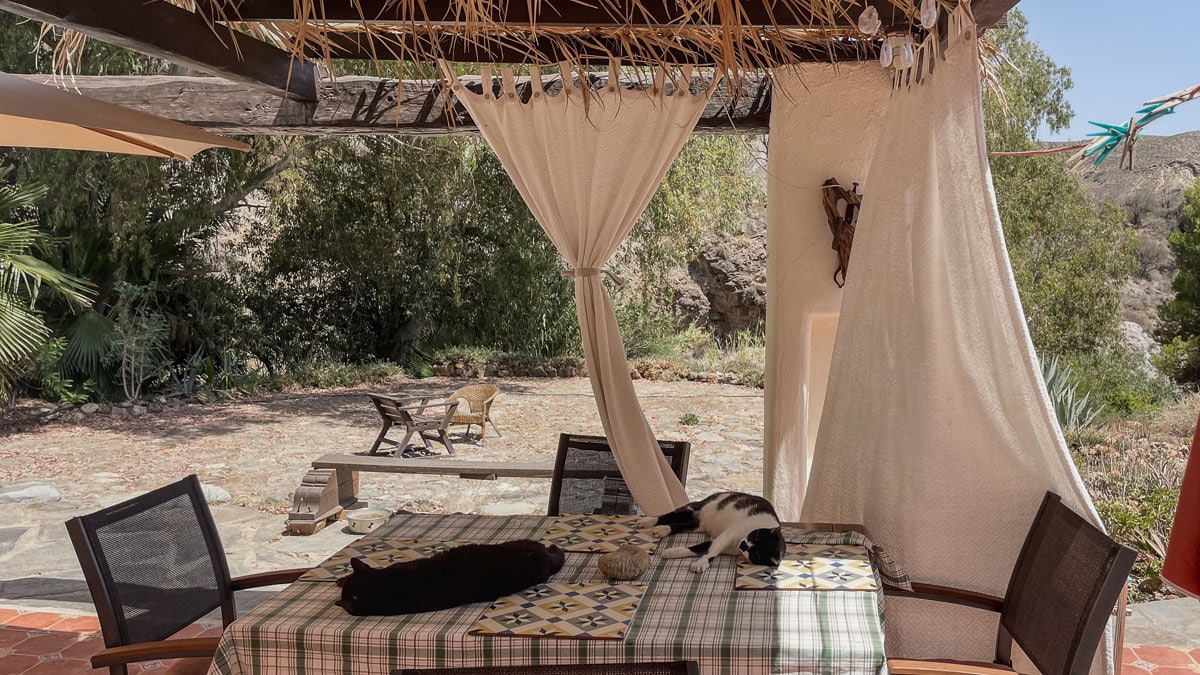
And then there are the patios, porches, covered terraces and shady corners.
These are not simply beautiful features of Andalusian architecture. They have a purpose.
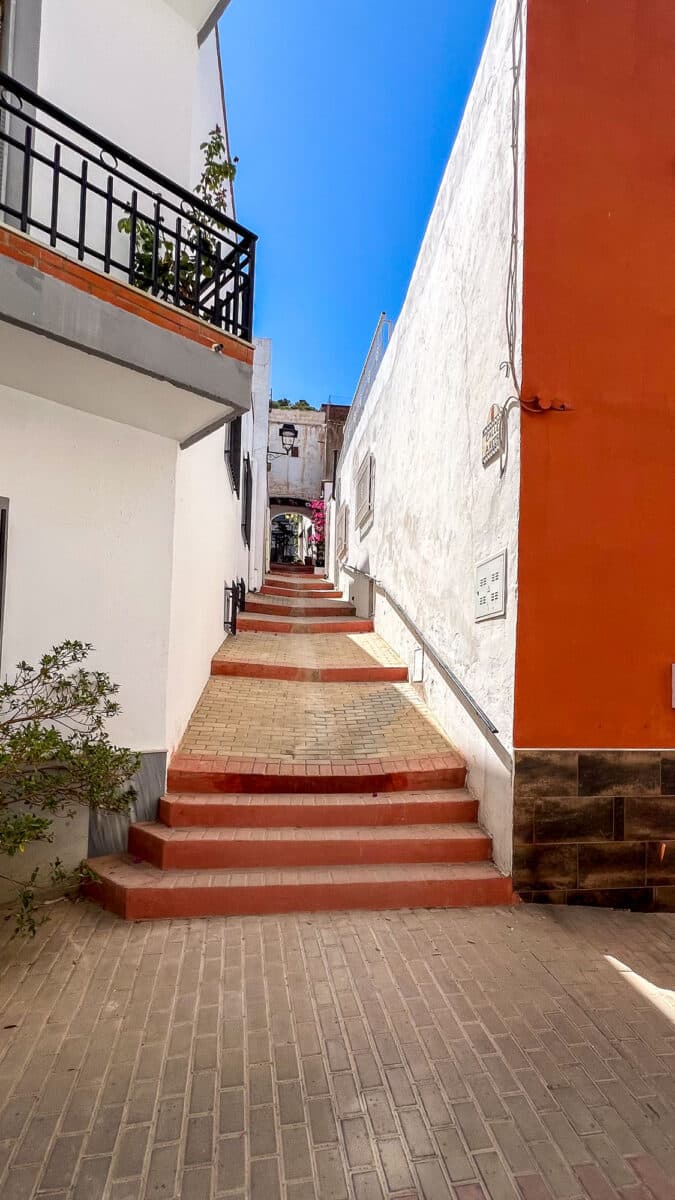
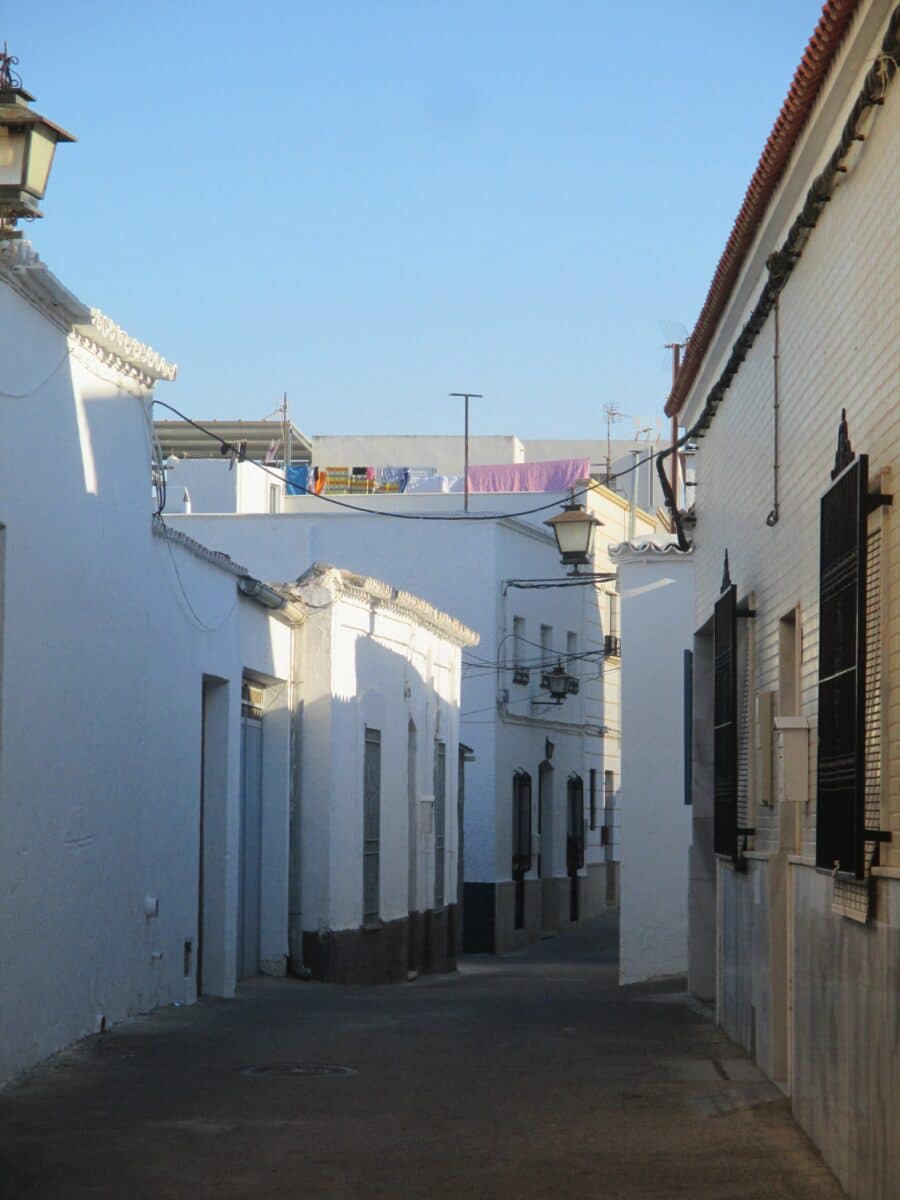
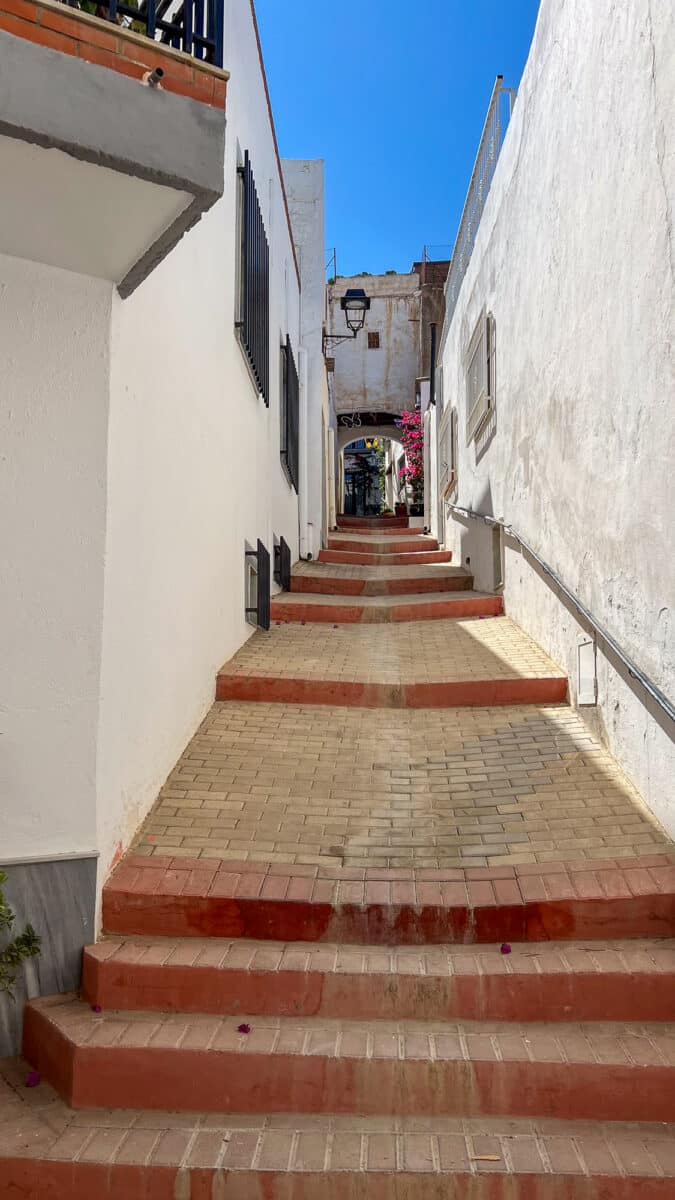
The layout of our villages also plays its part. Narrow streets, closely built houses and passageways create shade for much of the day. In some villages of the Alpujarra Almeriense, you can still clearly see how, over generations, architecture adapted to the landscape and the climate.
It is also a way of life
Here, we have learned to adapt our daily rhythm to the heat.
In summer, many things are done early in the morning. Shutters are closed before the sun reaches the house, and during the hottest hours of the day, people seek out the shade and slow down.
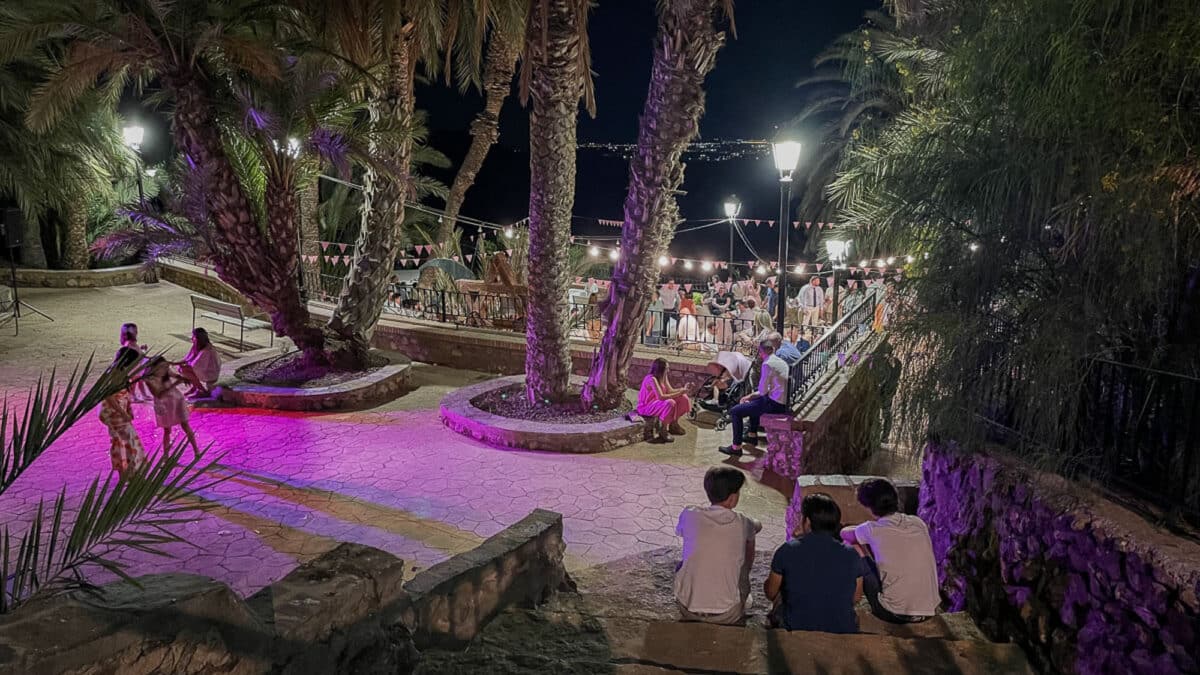
As the sun goes down, life returns to the streets and terraces. Doors and windows open, dinner is eaten late, and the cooler hours of the evening are enjoyed.
And yes, there is also the siesta. Perhaps not always to sleep, but it follows a very simple idea: when the heat is at its strongest, there is no need to fight against it.
You wait. You rest. And you carry on afterwards.
Ancient wisdom that feels relevant again
Today we have air conditioning, better insulation, solar energy and new technologies. And we need to talk seriously about climate change and how we want to live in the future.
But perhaps not all the answers are new.
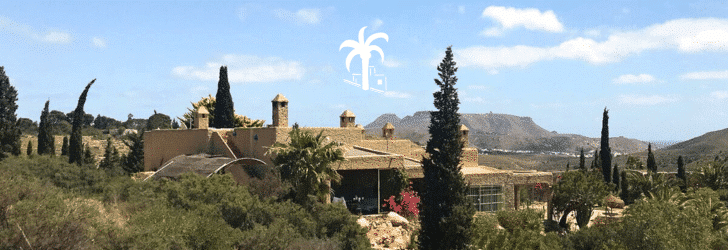
At Casa Contenta, we often work with cortijos, village houses and unique properties that still preserve much of this traditional architecture and its connection with the surrounding landscape.
We don’t want to romanticise the heat. In Almería, we know very well what a day in August can be like.
Homes that belong to the place
At Casa Contenta, we often work with cortijos, village houses and unique properties that still preserve much of this traditional architecture.
We don’t want to romanticise the heat. In Almería, we know perfectly well what a day in August feels like.
But we also know that our climate cannot be understood simply by looking at the thermometer.
You understand it by looking at a whitewashed house, sitting beneath a vine, walking through a narrow street in the shade, or simply waiting for that little breeze that so often arrives in the evening as the sun begins to go down.
It is another way of relating to the climate and, in a way, another way of living.
Discover these charming villages of Almería: Bentarique and Instinción
When people think of Almería, they usually picture the beaches of Cabo de Gata, the Tabernas Desert or the Mediterranean coastline. Yet beyond these well-known landscapes lies another Almería – quieter, more authentic and rich in history.
A land of whitewashed villages, fertile valleys, ancient irrigation channels, orchards, vineyards and landscapes where life seems to move at a gentler pace.
The Andarax Valley and the gateway to the Alpujarra of Almería are home to some of the province’s most distinctive places. Here, traditional architecture, agricultural heritage and nature remain an integral part of everyday life.
These villages are ideal for those looking for a quieter way of life, surrounded by nature and a place with its own character, without giving up the convenience of being close to Almería city. Here, it is still possible to enjoy a slower pace of life, know your neighbours by name and experience the true essence of the region.
At Casa Contenta, we believe that every village – and every home – has a story to tell. That’s why we’d like to introduce you to two very different places, each with its own unique charm: Bentarique and Instinción.
Bentarique
Bentarique: Agricultural Heritage in the Heart of the Andarax Valley
Bentarique is one of the charming villages of the Andarax Valley. Surrounded by fertile farmland, ancient irrigation channels, orchards and olive groves, it preserves the authentic character of rural Almería, where nature and generations of farming have shaped the landscape.
Where Water Wrote History
El río Andarax and the network of ancient irrigation channels inherited from the Al-Andalus period transformed these lands into a fertile valley. Thanks to this ingenious irrigation system, crops flourished, flour mills were established and, later, small agricultural industries developed, supporting the local economy for generations.
A stroll through Bentarique reveals a charming white village, beautifully maintained and full of authenticity. Quiet streets, friendly neighbours and the surrounding countryside invite you to slow down and enjoy a different pace of life. Yet Almería city is only a short distance away, making it easy to combine the peace of rural living with all the conveniences of the city.
In recent years, the Andarax Valley has attracted people looking for a more sustainable lifestyle and a closer connection with nature. At the same time, the region has seen a growing interest from artists, cultural initiatives and creative projects, drawn by its authenticity, inspiring landscapes and quality of life. In some villages, properties have become increasingly scarce, reflecting the growing appreciation for this unique part of Almería.
Fábrica de Harinas Nuestra Señora del Rosario
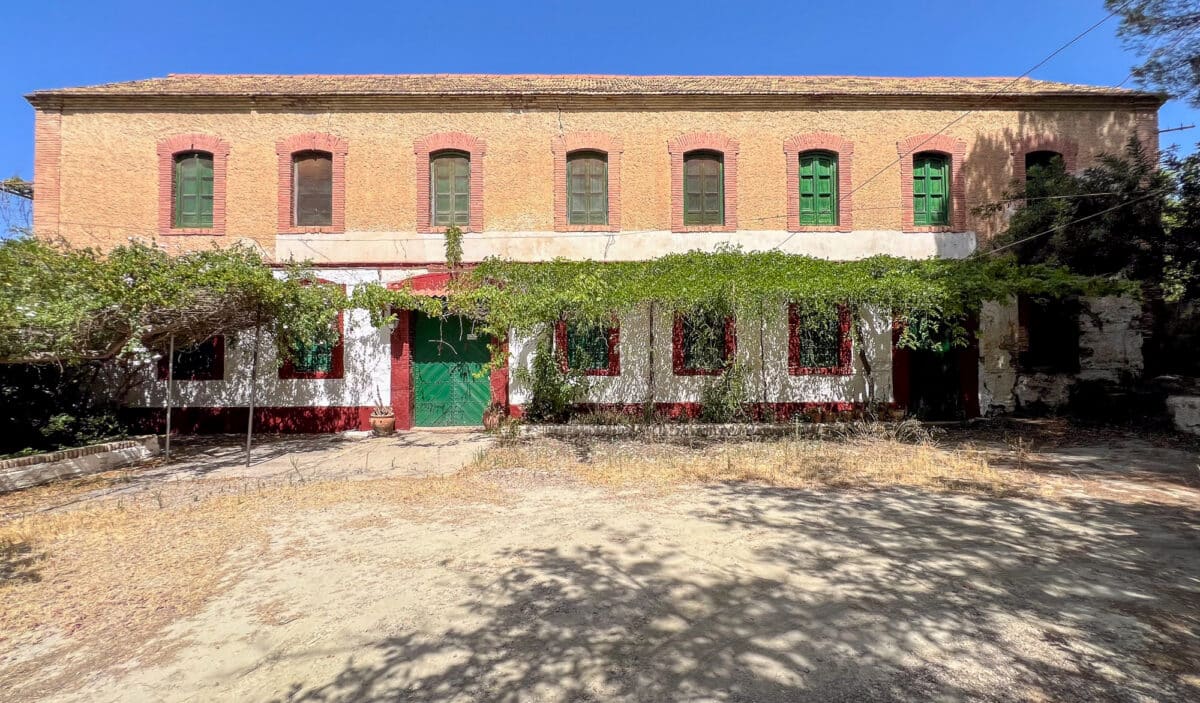
Few properties reflect the history of the Andarax Valley as vividly as the historic Fábrica de Harinas Nuestra Señora del Rosario, located just a few minutes from the village of Bentarique. More than a historic building, it stands as a testament to the area’s agricultural and industrial heritage. Today, its generous spaces and distinctive architecture offer a unique opportunity to create a residential, cultural or tourism project in a setting full of character.
La Fabrica El Molino en Bentarique – FOR SALE
Built in 1824, this historic flour mill and agricultural estate was, for decades, an important centre of economic activity for the Andarax Valley.
Today, it still preserves its original buildings, abundant water resources, almost two hectares of land and more than 826 m² of built area, offering exceptional potential for a boutique hotel, cultural centre, agricultural project or an outstanding private residence.
The property requires a complete restoration, providing a unique opportunity to bring this remarkable historic estate back to its former glory.
Instinción: Tradition, Landscape and Life in the Andarax Valley
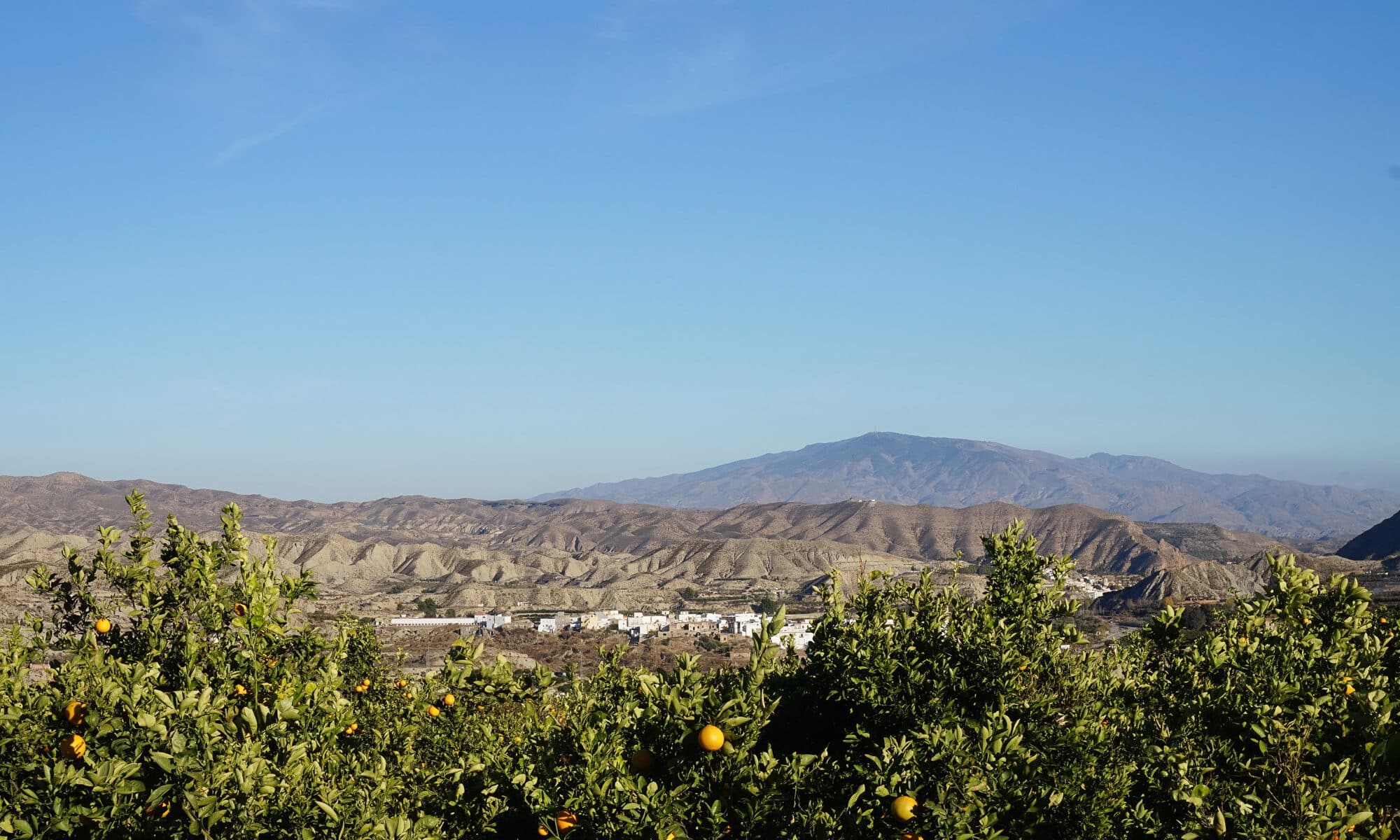
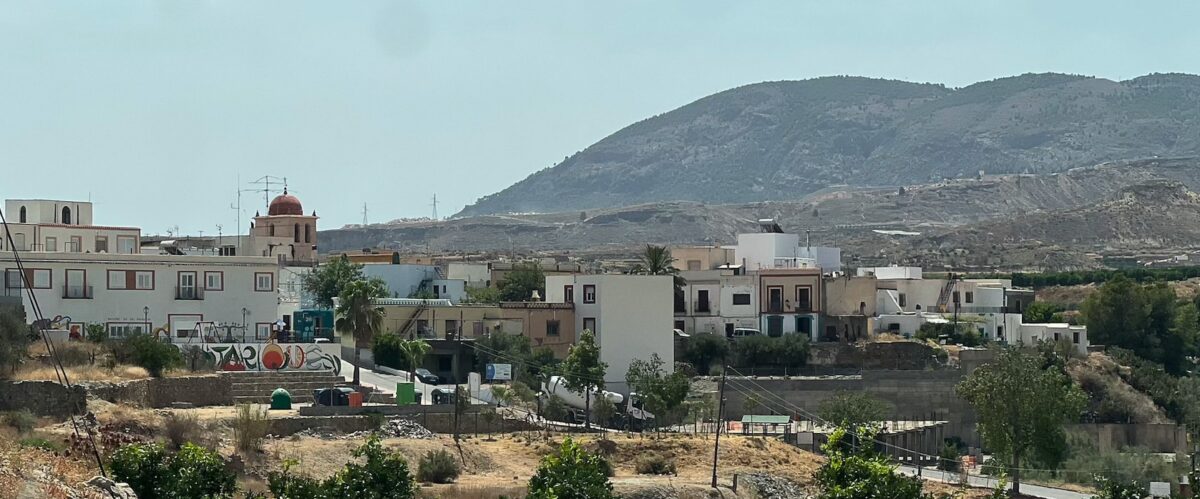
Instinción is one of those villages that has preserved the authentic character of inland Almería. Perched on the hillside of the fertile Andarax Valley, it enjoys magnificent views across the valley and the landscape stretching towards the Tabernas Desert. Just 35 minutes from Almería city, it combines the peace of rural living with excellent accessibility.
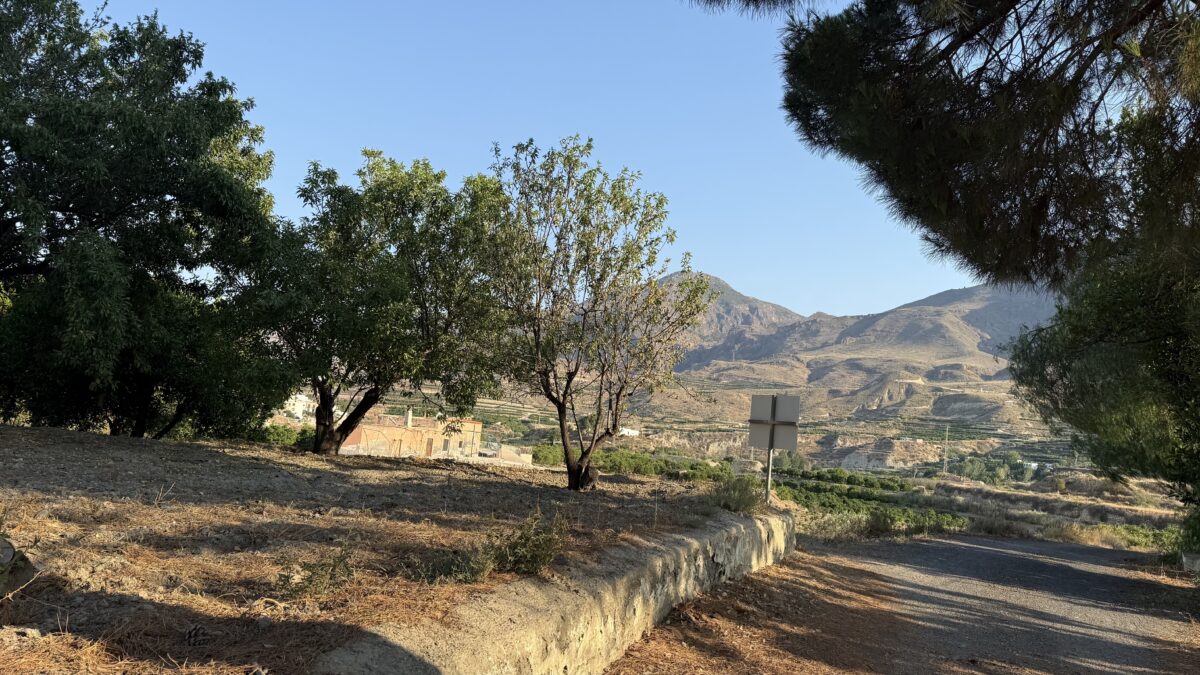
Instinción sits high on the hillside overlooking the fertile Andarax Valley. Below, the course of El Río Andarax has shaped the landscape for centuries, creating fertile farmland, orchards and olive groves. From the village, the views stretch across the valley towards Almería, with the Tabernas Desert visible in the distance.
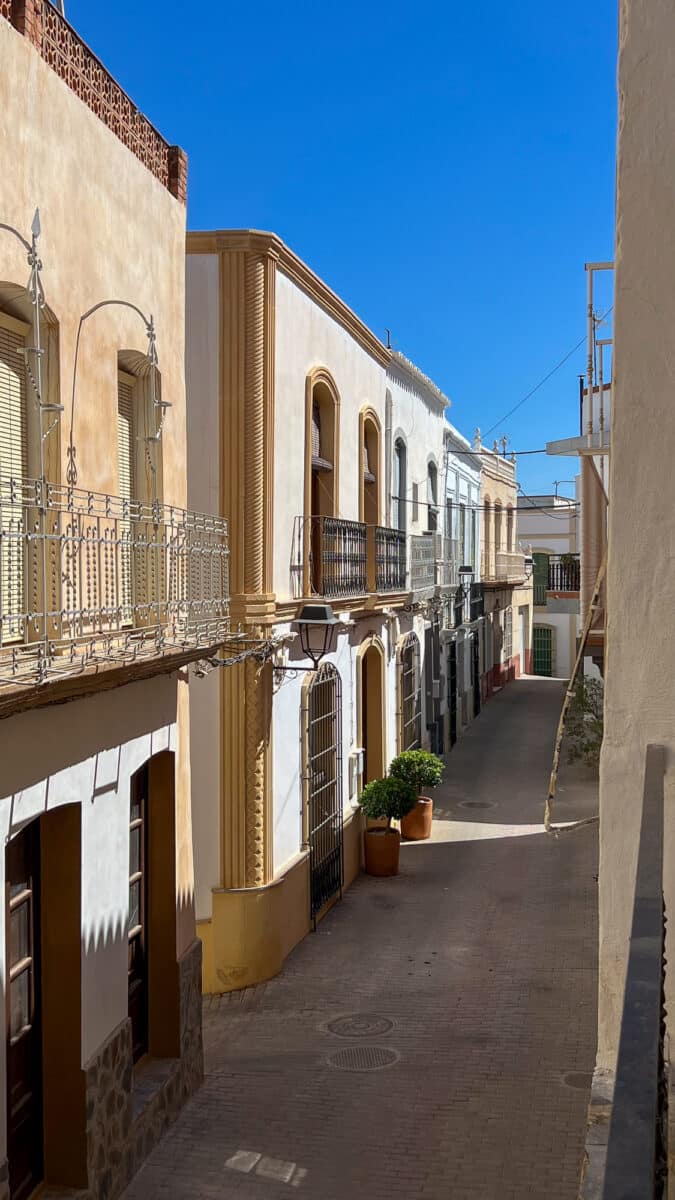
InstinciónCalle Real
A Village with Centuries of History
Like much of the Andarax Valley, Instinción has its roots in the Al-Andalus period. The ingenious network of irrigation channels made it possible to develop a thriving agricultural landscape that shaped both the countryside and the local economy for centuries. The prosperity created by agriculture also gave rise to elegant family homes, some of which still stand today as reminders of the village’s rich past. That legacy is still visible today, not only in the landscape but also in the character and identity of the village.
Today, Instinción is attracting a new generation of residents who appreciate authenticity, nature and a slower pace of life. Its pleasant climate, beautiful mountain scenery, proximity to Almería and welcoming atmosphere make it an increasingly attractive place for both permanent living and second homes. In many ways, the village is entering a new chapter, while preserving the character and heritage that have shaped it for centuries.
A Historic Manor House Ready for a New Chapter
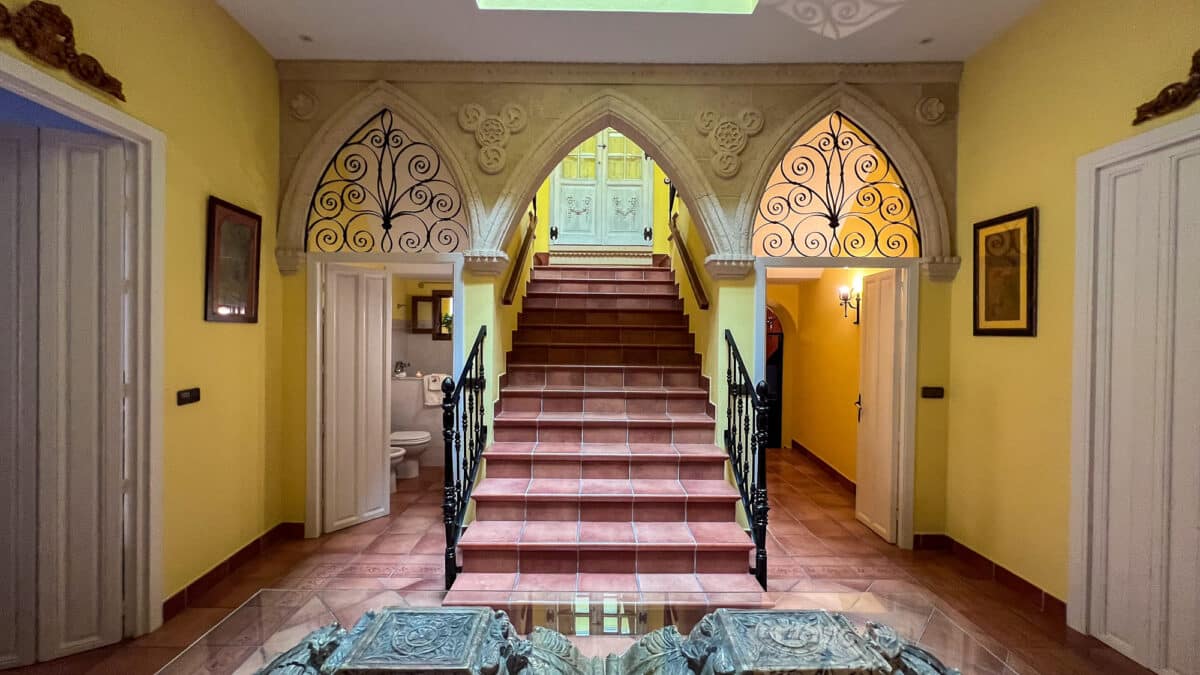
At the heart of the historic village of Instinción stands the Casa Señorial, an elegant Andalusian manor house that reflects the prosperity and architectural heritage of another era.
Its generous living spaces offer the opportunity to combine private living with a professional, cultural or hospitality project. Thanks to its architecture, its central location and its unique character, it presents a rare opportunity for those looking for a property with history, personality and the potential to bring new ideas to life.
Casa Señorial en Instinción – calle Real – en Venta
The Andarax Valley: A region waiting to be discovered
The Andarax Valley is one of the most authentic regions in the province of Almería.
Many people visiting the Andarax Valley for the first time are surprised by how green it is. Centuries of irrigation and agriculture have created a landscape of orchards, olive groves, ancient irrigation channels and traditional villages unlike anywhere else in the province.
Yet all this is less than an hour from Almería city, offering the perfect balance between nature, authentic village life and easy access to the city, the airport and the beaches of the Cabo de Gata Natural Park.
Casa Contenta: Properties for those looking for something different
At Casa Contenta, we carefully select properties for their history, architecture, location and the opportunities they offer.
Some are ready to move into. Others offer the chance to create a personal, cultural, tourism or professional project.
Because we understand that everyone is looking for something different.
If you dream of owning a property with history, character or simply a special place to begin a new chapter, we would be delighted to help you find it.
In the coming articles, we’ll continue exploring more charming villages in the Almería countryside and the unique properties that best reflect the character of each one.Descubre todas nuestras propiedades en: 👉 https://www.casa-contenta.es
Julio 2026
In the coming articles, we’ll continue exploring more of the charming villages of inland Almería and the unique properties that tell the story of each place.
Every year on December 22nd, Spain comes to a standstill for one of the most unique and beloved traditions: the Sorteo Extraordinario de Navidad, or El Gordo (“The Fat One”). This isn’t just a lottery; it’s a national event that brings people together and marks the true start of the Christmas season.
Quite an amazing History
The Spanish Christmas Lottery is one of the oldest in the world. It began in 1812 during the Napoleonic Wars as a way for the government to raise funds without increasing taxes. The first draw was held in Cádiz, and over the years, it became a symbol of hope and celebration just before Christmas. The nickname “El Gordo” refers to the grand prize, which is famously a huge amount. We are talking about millions and lots of money to buy a cortijo in Almeria!
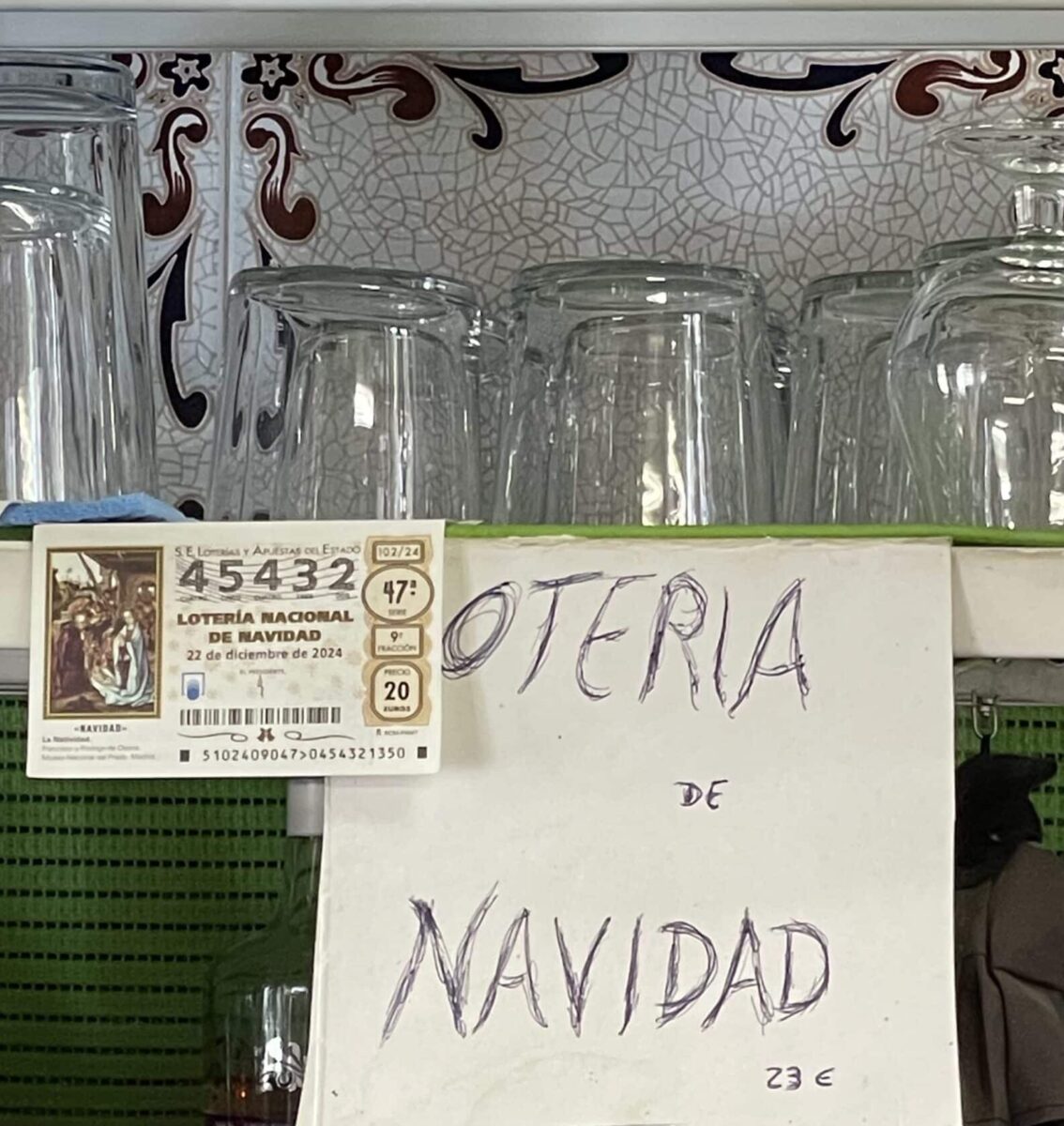
My San Claudio neighbourhood magic number 2025!
How It Works
Unlike typical lotteries, the Spanish Christmas Lottery is based on shared tickets. A full ticket (billete) is divided into ten smaller shares called décimos. This means groups of friends, families, or coworkers often buy shares together, making it a social experience. Even if you don’t win the grand prize, there are plenty of smaller prizes distributed, so the chances of winning something are higher than in most lotteries.
The Magic of the day of the Draw on the 22nd of December
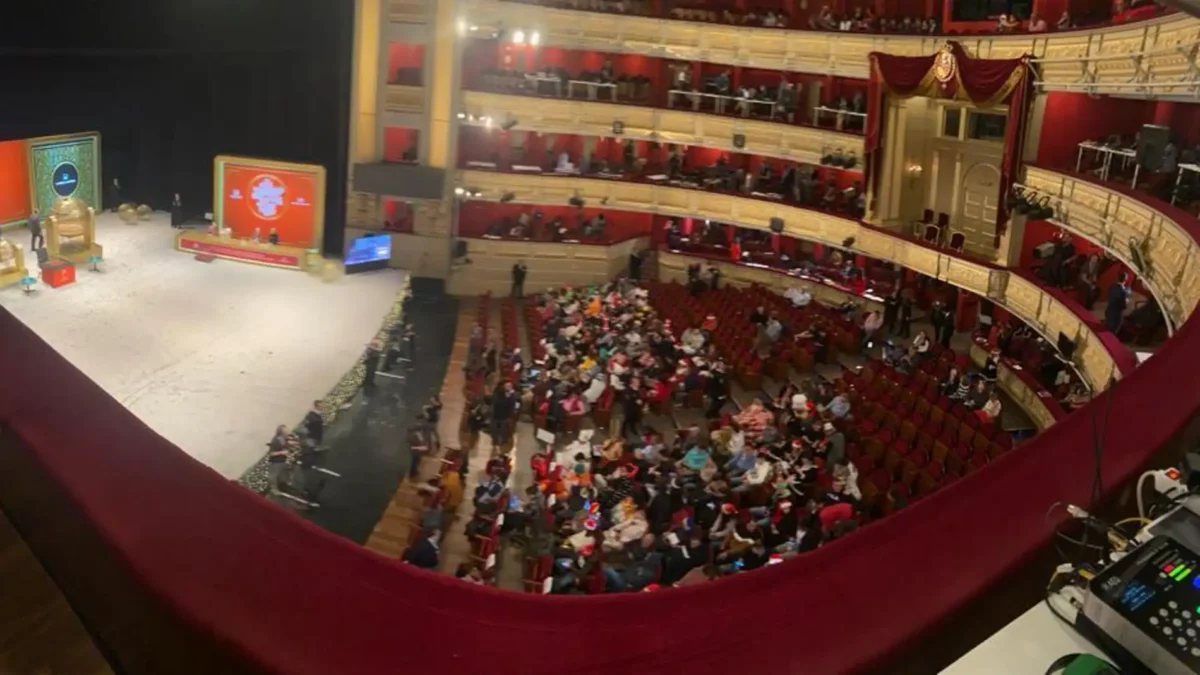
The draw is an all-day spectacle broadcast live from Teatro Real in Madrid on national TV. What makes it so special is the participation of children from the San Ildefonso School in Madrid. They sing out the winning numbers and prizes in a distinctive chant, a tradition that has been going strong for centuries taking place again on the stage of the Teatro Real on December 22nd under the strict gaze of the notaries.
Currently, 32 volunteers from the school participate in each Christmas Lottery draw, meeting three key requirements: being over 8 years old, having clear and fluent speech, a good voice, and prior experience in lottery draws. To select the 32 participants, the school staff holds auditions among the volunteers. Once chosen, the children start rehearsals in October to refine their numerical and vocal skills in preparation for the iconic Christmas Lottery Draw.
Teatro Real on the 22nd of December 2022
A Cultural Phenomenon
For Spaniards, El Gordo is more than just a lottery; it’s a part of the holiday spirit. People line up to buy tickets from famous lottery winning vendors and kiosks all over the country. Families and coworkers share tickets, and the winnings are often celebrated together, even if it’s just a small amount. Watching the draw, with its joyful and emotional atmosphere, is a cherished tradition, whether or not you’re a participant.
Dream big with Casa Contenta in Almería!
With a bit of luck, perhaps this year’s “El Gordo” will be the perfect push to make your dreams come true, such as buying your ideal cortijo for sale with Casa Contenta in Almería. The magic of Christmas can also transform lives!
Cortijos are a fundamental part of Spain’s history. These farmhouses, typical of the Andalusian region, have witnessed centuries of history and tradition. In this article, we’ll explore the importance of cortijos in Spanish history, with a special focus on the province of Almería.
The Origin of Cortijos
Cortijos have their origins in Roman times, when they were used as agricultural estates. Over the centuries, cortijos evolved into large rural properties where food was cultivated, and animals were raised.
Roman villas, precursors to the alquería during the Muslim era, are notable for their territorial organization and agricultural buildings, characteristic of the agricultural estates in Muslim Spain (al-Andalus). For Muslims, water is a sacred and essential resource, as mentioned in the Quran, where it is stated that “from water we made every living thing.”
During the Andalusian period, the culture of water was of great importance, and the hydraulic systems implemented by the Muslims have had significant consequences, lasting to this day. Additionally, new crops that could be cultivated thanks to devices like the waterwheel have endured over time, becoming fundamental to today’s economy. A clear example is citrus fruits, for which Spain is one of the leading exporters.
Another important aspect is the silk industry, which is based on the silkworm that feeds on mulberry and had strong roots in Al-Andalus. Silk products were exported worldwide thanks to the proximity of ports like Almería and Málaga. This industry has left an important mark on the region’s history and economy.
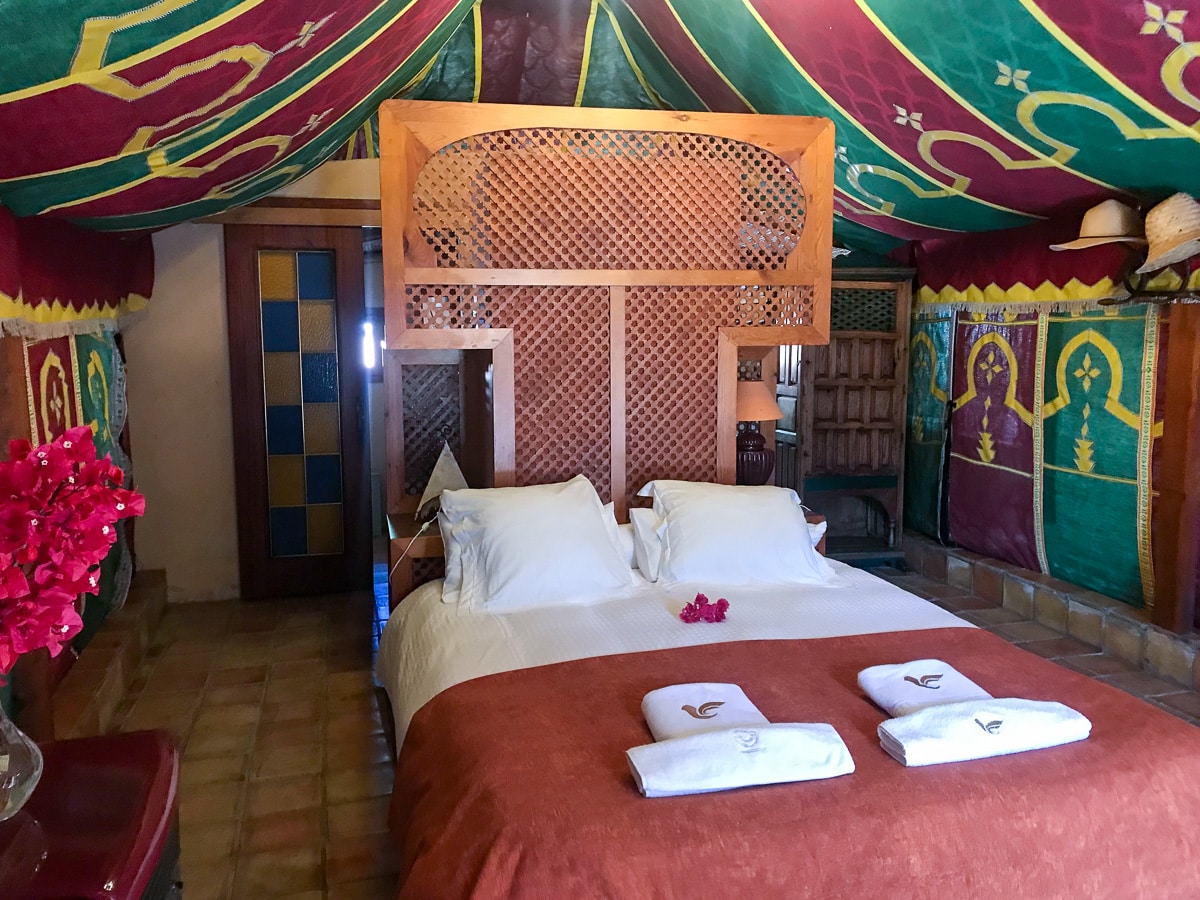
Interior de La Joya en Cabo de Gata, Cortijo en venta
During the Middle Ages, cortijos were a crucial part of the Spanish economy, providing food and resources to nearby cities and towns.
In the time of the Reconquista, cortijos played an important role in the expansion of Christian territories. Many cortijos were used as defensive fortresses, protecting local populations from Muslim attacks. Over the centuries, cortijos transformed into large estates where products like olive oil, wine, and grains were produced.
The Importance of Cortijos in Almería
Almería is one of the provinces in Andalusia with a rich tradition of cortijos. The province is home to numerous historic cortijos, some dating back to Roman times. These cortijos have witnessed Almería’s history, from the era of the Arabs to the present day.
The cortijos of Almería are known for their traditional architecture, featuring large inner courtyards, white facades, and tiled roofs. Many of these cortijos have been restored and converted into rural hotels or country houses, allowing visitors to experience life in the Andalusian countryside.
Life in the Cortijos
For centuries, cortijos were the center of rural life in Andalusia. The families who lived and worked on these estates were primarily dedicated to agriculture and livestock farming. Mostly they were not the owners. Labourers cultivated olives, vineyards, wheat, and other crops, while shepherds cared for the livestock. Life was hard and demanding, but it was also filled with traditions and customs that have endured to this day.
Evolution of Cortijos Today
Over time, many cortijos in Andalusia have been restored and converted into hotels, restaurants, or rural houses. These old estates now offer visitors the chance to experience life in the Andalusian countryside, with all its traditions and charms. Some cortijos have also been modernized to host events and celebrations, becoming places for gatherings and celebrations.
Cortijo en venta: La Joya en Cabo de Gata.
FAQs: Buying Cortijos in Almería
What is the average price of a cortijo in Almería?The price of a cortijo in Almería can vary depending on various factors, such as location, size, and the condition of the property. Generally, they have an average price between 200,000 and 500,000 euros.
What steps are required to buy a cortijo in Almería?To buy a cortijo in Almería, you need to go through a series of legal steps, such as signing a purchase agreement and paying taxes. It is advisable to have guidance from an expert like Margaret from Casa Contenta to make the process easier.
Is it possible to find cortijos in Almería that need renovation?Yes, it is possible to find cortijos for sale in Almería that require renovation. These properties offer the opportunity to adapt the cortijo to the buyer’s tastes and needs, while preserving its charm and authenticity. At Casa Contenta, we have one ready for renovation at an excellent price.🌴 Discover the cortijo we have for sale, ready to be renovated.
Buying a cortijo in Almería is an attractive option for those seeking a peaceful lifestyle connected to nature. If you’re interested in purchasing a cortijo in Almería, don’t hesitate to explore the options available at Casa Contenta and immerse yourself in the history of this fascinating Spanish region.
Discover the beauty and charm of Almería with Casa Contenta!
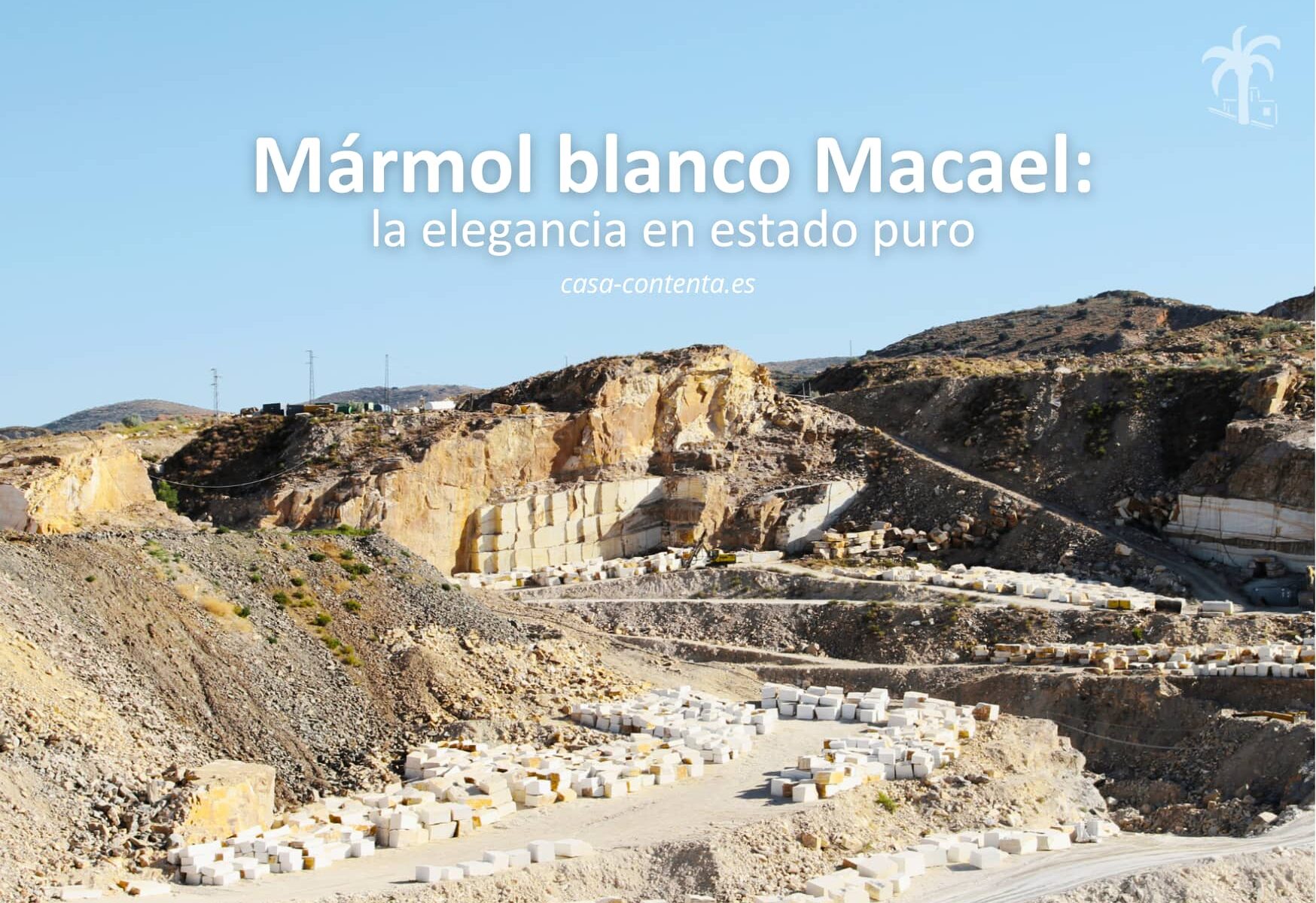
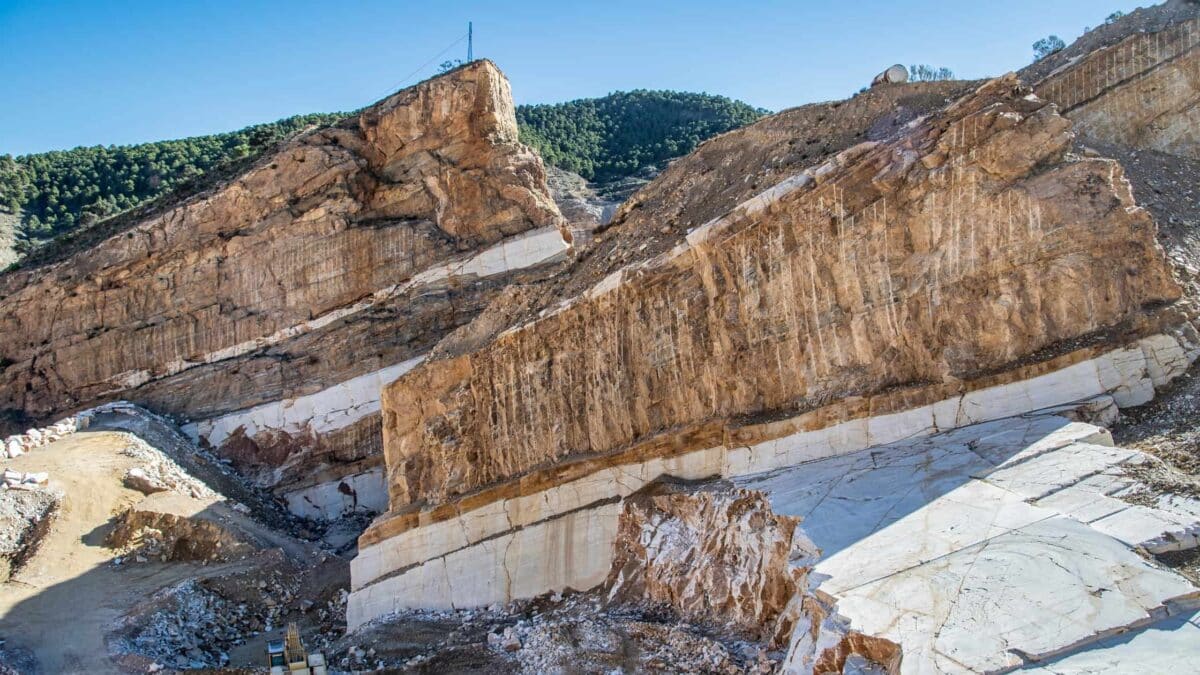
Memory is a labyrinth of sensations and feelings. One of my most vivid memories takes me back to a day in 1986, when I ventured into the heart of the Macael quarries with photographer Rainer Fichel (1948-2010) to pitch an article to the German magazine GEO.
The roar of explosions echoed in my ears, shaking the ground and my own senses. Amidst that controlled chaos, I watched the quarrymen—hardened by sun and dust—skillfully sculpting marble blocks that seemed to defy the laws of nature. That experience was a turning point in my life, awakening a deep admiration for this material and for the artisans who worked with it. The raw power of nature and the delicate touch of human craftsmanship combined to bring one of the world’s most precious stones to life: Macael marble.
Since time immemorial, Macael marble has witnessed the passage of time and left its mark on history. The Phoenicians, masters of trade and navigation, already appreciated the beauty and durability of this material, using it in their constructions. Over the centuries, Macael marble has adorned palaces, temples, and cathedrals, becoming a symbol of power, elegance, and durability. Its immaculate whiteness and subtle veining have inspired artists and architects from all eras, from classical Rome to the Renaissance and beyond, into the present day.
Characteristics of White Macael Marble
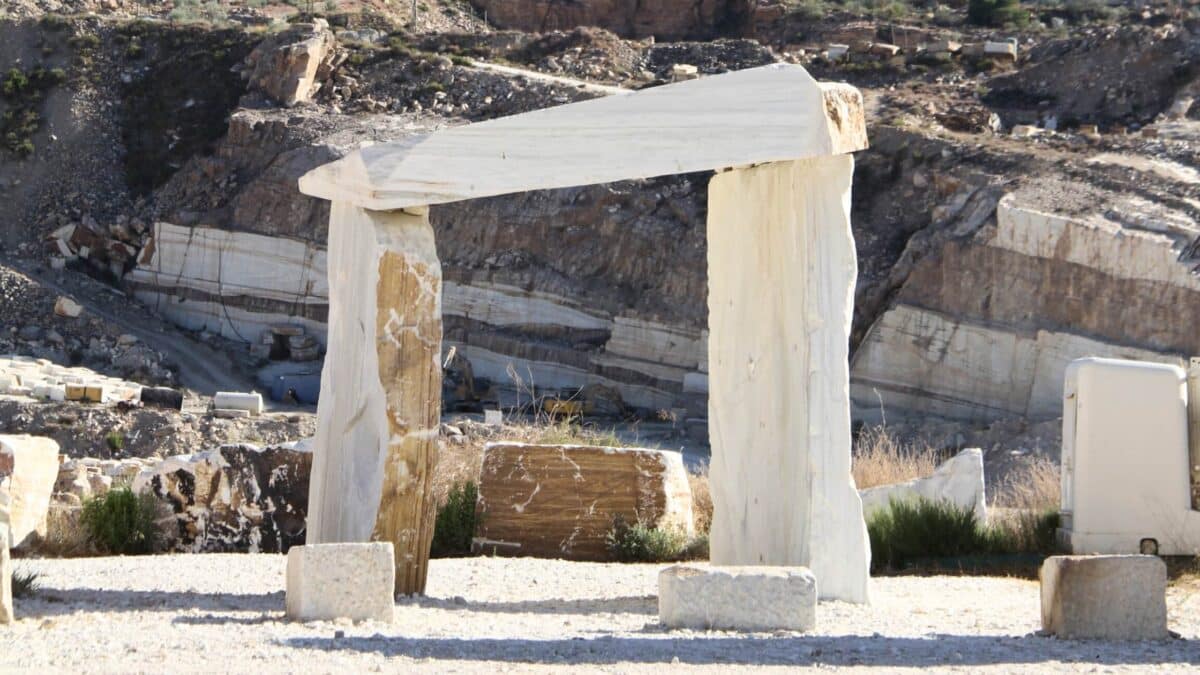
White Macael marble is distinguished by its pure, crystalline white color, free from veins or imperfections that might detract from its elegance. Its smooth, polished texture gives it a unique shine, adding an air of sophistication and distinction to any space where it is installed. Additionally, its resistance and durability make it an ideal choice for floors, walls, countertops, and even decorative elements.
Uses of White Macael Marble in Decoration
Thanks to its versatility and timeless beauty, White Macael Marble has become a popular material in the world of decoration. From kitchens and bathrooms to living rooms and staircases, this type of marble adapts to any decorative style, adding a touch of elegance and exclusivity. Whether in its polished or raw form, White Macael Marble can completely transform any space, creating unique and sophisticated environments.
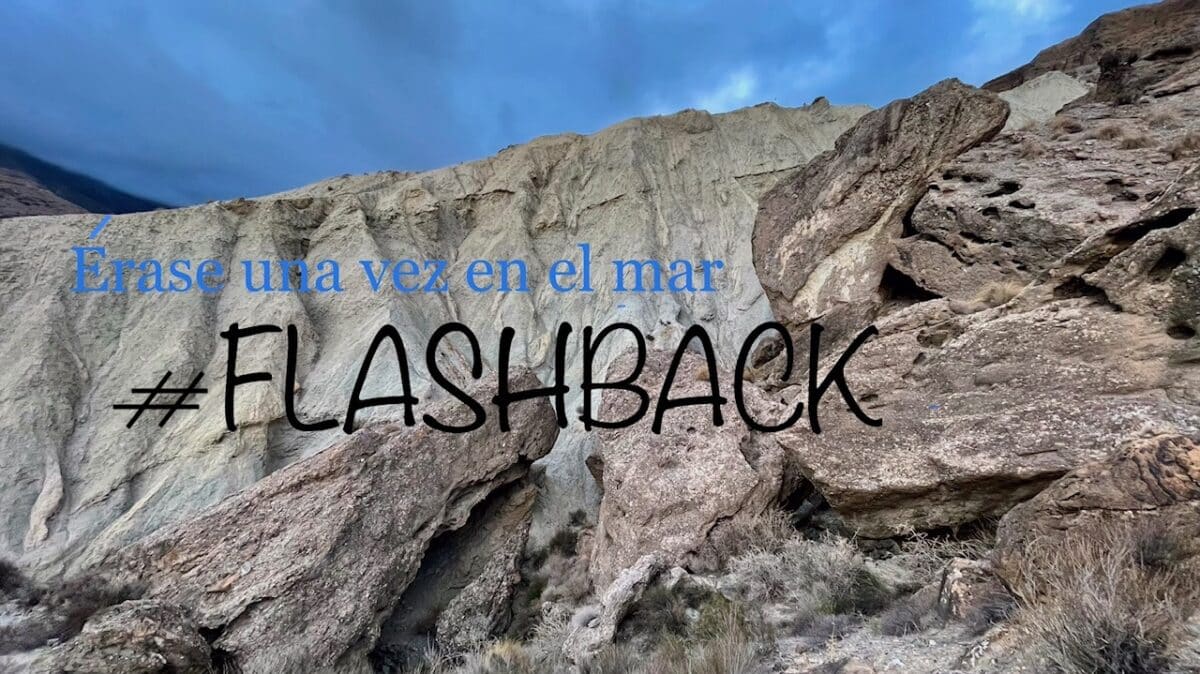
Flashback – Margaret’s early days in the province of Almería
Today, I want to share a little personal treasure with you: an article I wrote in 1986 about Macael marble. This document, besides being a reflection of my passion for this material, offers a unique insight into the industry at that time. It’s a time capsule that allows us to compare and contrast the past with the present:
More than three decades have passed since that day at the quarry, and although extraction techniques and tools have evolved, the essence of Macael marble remains the same: a gift from the earth that has captivated generations. Its timeless beauty and versatility make it a unique material, capable of transforming any space and enduring through time.
The Macael Quarries Today
The Macael quarries have evolved significantly over the centuries but remain a global reference for white marble extraction. Thanks to the application of advanced technologies, these quarries offer a unique spectacle where nature and engineering blend seamlessly.
The quarries are a key economic engine for Almería. They generate direct and indirect employment across the entire value chain, from extraction to the commercialisation of marble. Their international prestige has positioned the province as a global reference in the natural stone sector, contributing to its development and economic growth.
These memories of Macael give me a deep sense of connection to this land and its people. If you, too, want to experience the magic of Almería, we invite you to visit our website, Casa Contenta Almería. There, you’ll find a selection of estates for sale and vacation rentals, perfect for enjoying an unforgettable excursion.