
What traditional homes in Almería can teach us: The Siesta
Climate change is also changing the way we look at the place where we live. Summers are getting longer, periods of extreme heat more intense, and for many people coming from Northern Europe, temperatures in southern Spain can understandably be a concern.
Here in Almería, we don’t ignore these changes either. But living with the heat is nothing new to us. We love siesta.
For centuries, long before air conditioning existed, our homes and our way of life adapted to a region where sunshine and high temperatures have always been part of everyday life.
Homes designed for the climate
Anyone who steps inside an old cortijo or a traditional village house notices it immediately.
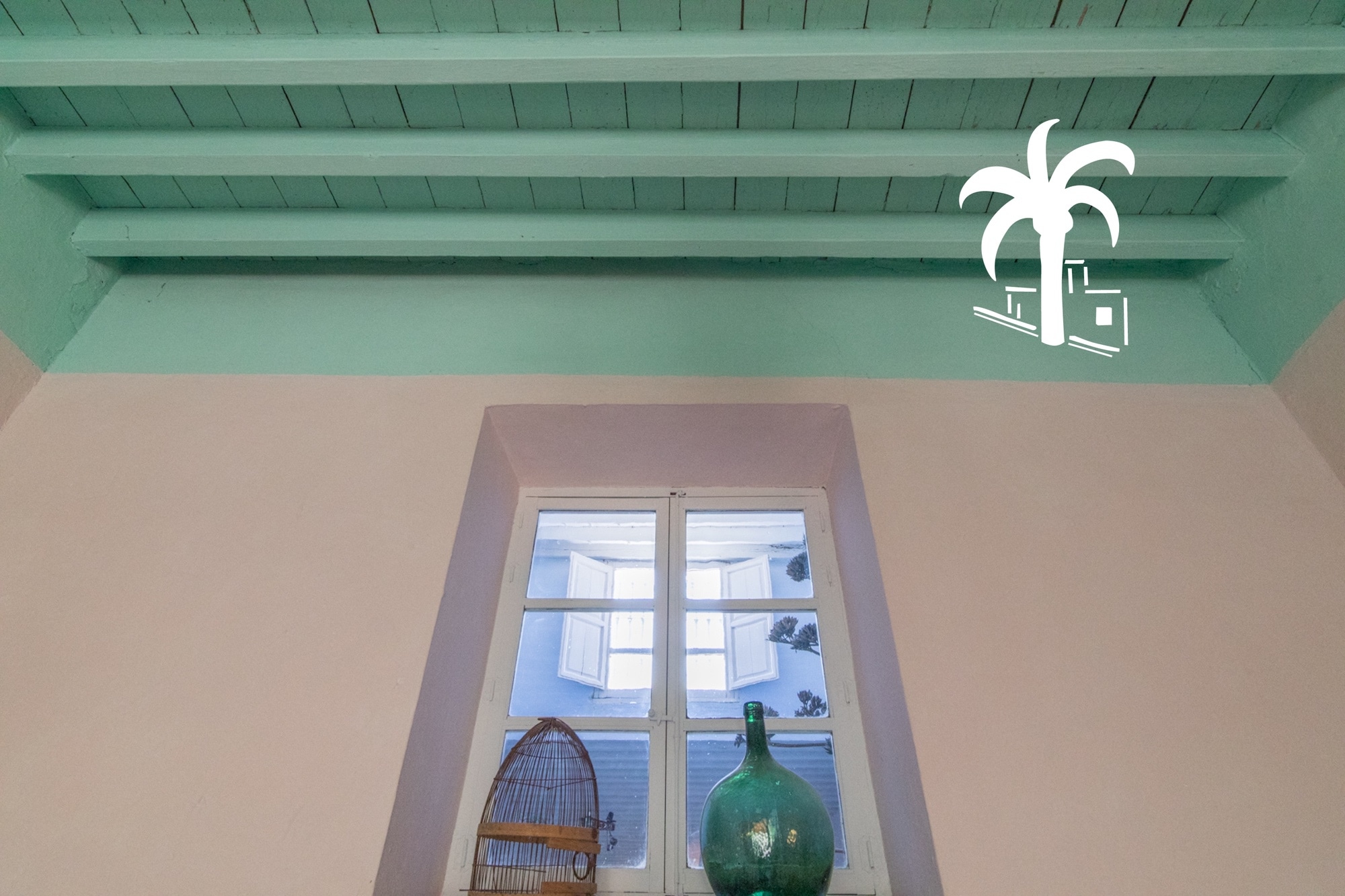
Thick walls of stone or earth help keep the interior cooler. Whitewashed façades reflect the sun. Relatively small windows, shutters and blinds protect the rooms during the hottest hours of the day.
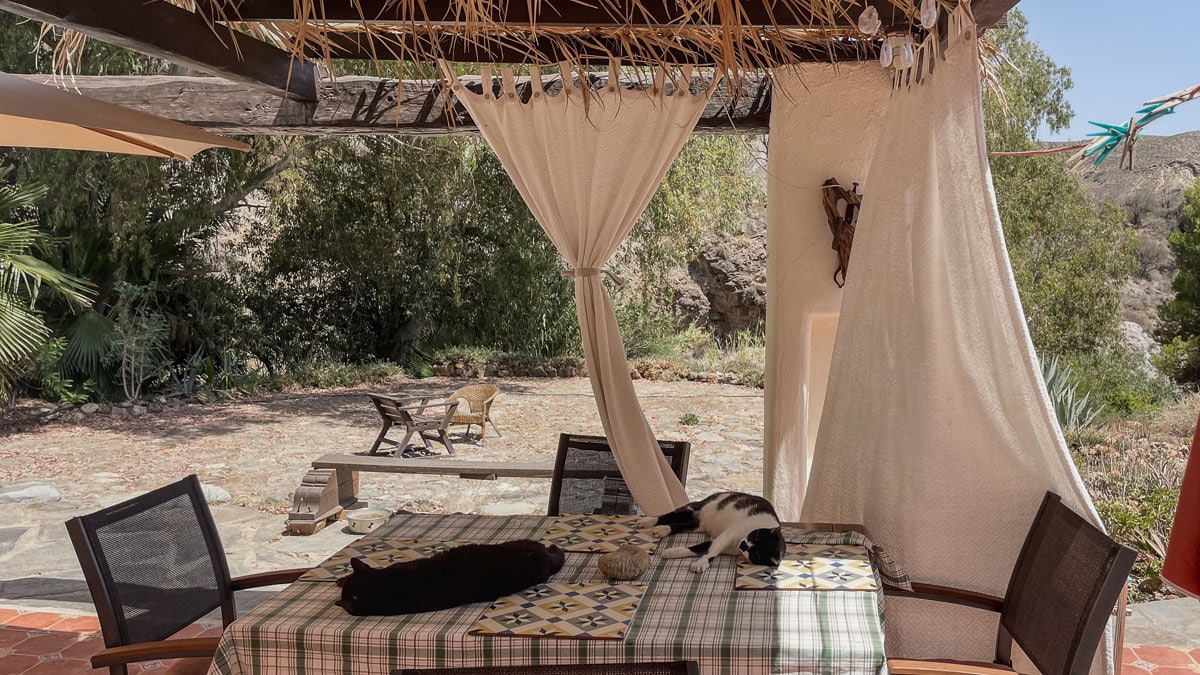
And then there are the patios, porches, covered terraces and shady corners.
These are not simply beautiful features of Andalusian architecture. They have a purpose.
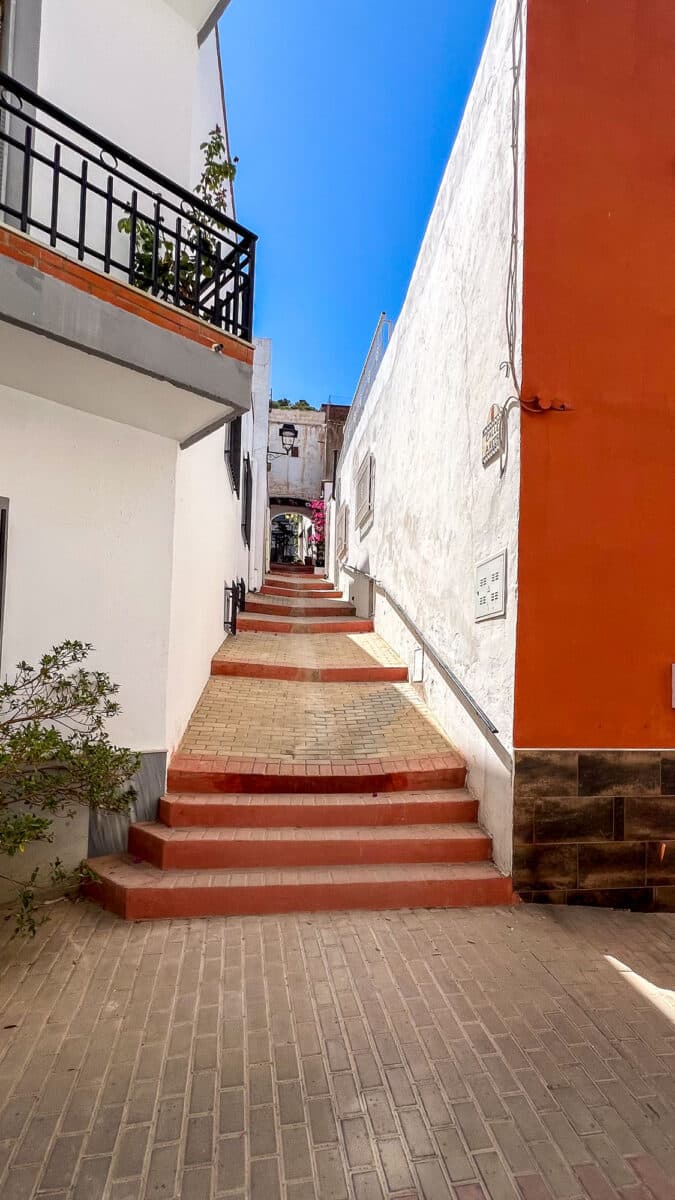
The layout of our villages also plays its part. Narrow streets, closely built houses and passageways create shade for much of the day. In some villages of the Alpujarra Almeriense, you can still clearly see how, over generations, architecture adapted to the landscape and the climate.
It is also a way of life
Here, we have learned to adapt our daily rhythm to the heat.
In summer, many things are done early in the morning. Shutters are closed before the sun reaches the house, and during the hottest hours of the day, people seek out the shade and slow down.
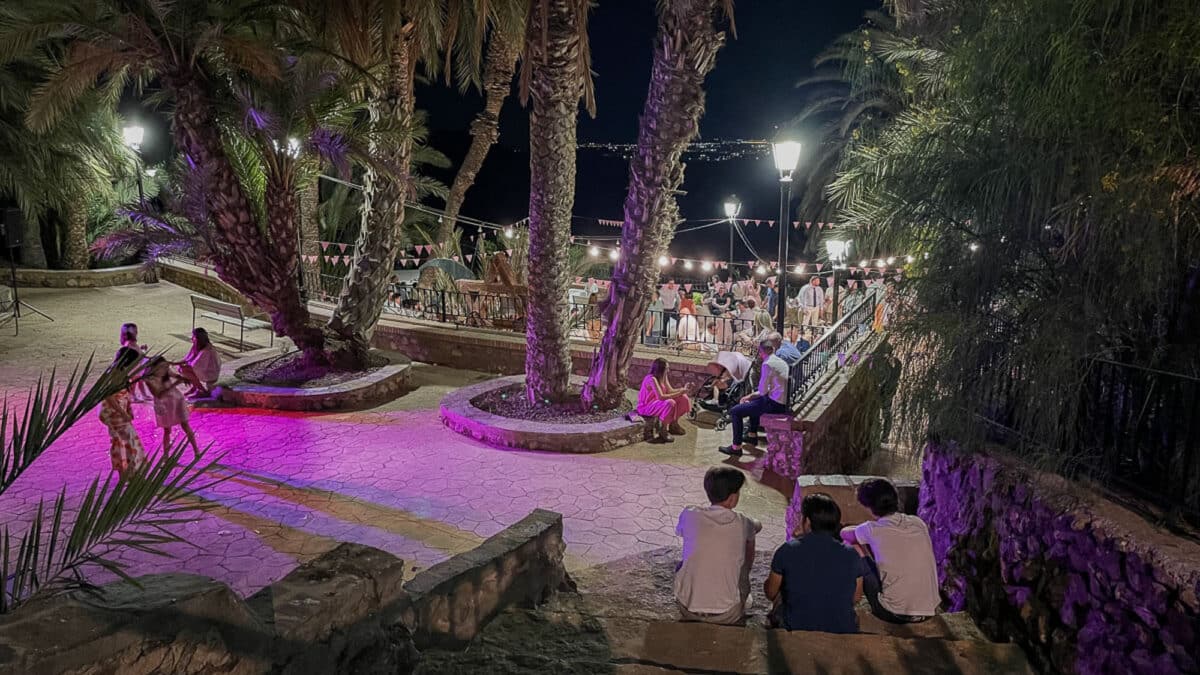
As the sun goes down, life returns to the streets and terraces. Doors and windows open, dinner is eaten late, and the cooler hours of the evening are enjoyed.
And yes, there is also the siesta. Perhaps not always to sleep, but it follows a very simple idea: when the heat is at its strongest, there is no need to fight against it.
You wait. You rest. And you carry on afterwards.
Ancient wisdom that feels relevant again
Today we have air conditioning, better insulation, solar energy and new technologies. And we need to talk seriously about climate change and how we want to live in the future.
But perhaps not all the answers are new.
At Casa Contenta, we often work with cortijos, village houses and unique properties that still preserve much of this traditional architecture and its connection with the surrounding landscape.
We don’t want to romanticise the heat. In Almería, we know very well what a day in August can be like.
Homes that belong to the place
At Casa Contenta, we often work with cortijos, village houses and unique properties that still preserve much of this traditional architecture.
We don’t want to romanticise the heat. In Almería, we know perfectly well what a day in August feels like.
But we also know that our climate cannot be understood simply by looking at the thermometer.
You understand it by looking at a whitewashed house, sitting beneath a vine, walking through a narrow street in the shade, or simply waiting for that little breeze that so often arrives in the evening as the sun begins to go down.
It is another way of relating to the climate and, in a way, another way of living.
Adapt to the sun, rather than fight against it.
Margaret August 2026